

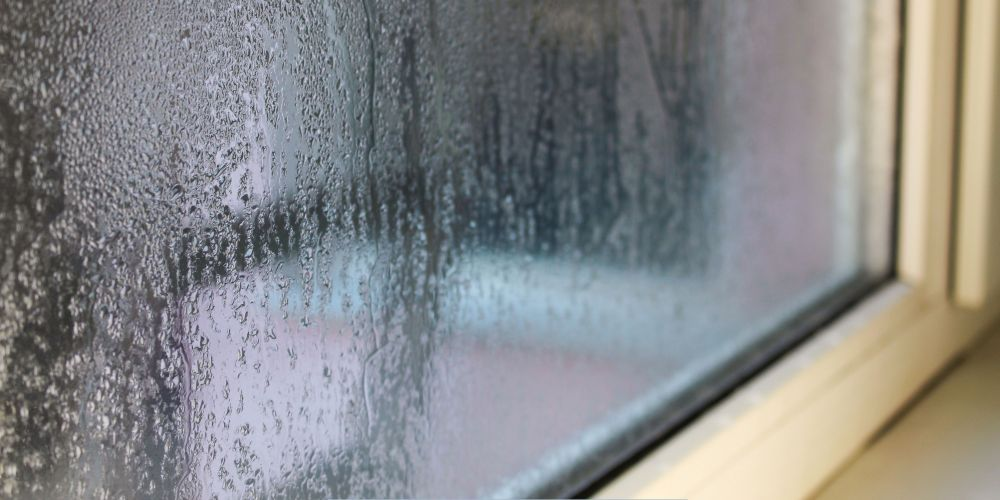
What Causes Condensation Between Window Panes?
When we notice fog, haze, or droplets trapped between panes of glass, the moisture can tell us something important about the window. For homeowners considering replacement windows in Springfield, MO, understanding why this happens can make it easier to evaluate an aging window and decide what features matter in a new one. Condensation between panes is different from moisture that forms on the indoor or outdoor surface because the moisture is trapped inside the insulated glass unit itself.
At Lifemark Bath & Home / Window Depot of the Ozarks, we help homeowners look beyond appearance when evaluating windows. Modern windows are designed as complete systems, combining multiple panes of glass, spacers, seals, frames, and insulating features to improve comfort and efficiency. When moisture becomes visible between those panes, it can indicate that part of the sealed glass system is no longer performing as intended.
A Failed Seal Is Usually the Main Cause
So, what causes condensation between window panes? In most cases, moisture has entered the sealed space between the glass after the perimeter seal has lost its integrity. Insulated windows rely on an airtight space between panes to support thermal performance. When that seal deteriorates, humid air can enter the space and eventually condense on the glass.
Temperature changes can make the fogging more noticeable. As the glass warms and cools, moisture inside the unit may appear as droplets, cloudiness, or a hazy film.
This is why condensation trapped between panes should not be confused with ordinary surface condensation. Natural Resources Canada notes that condensation between glass panes can occur when the seal is broken. Once moisture is inside the sealed unit, simply wiping either accessible glass surface will not remove it.
Temperature Changes Put Window Components to Work
Windows experience changing conditions throughout the year. Sunshine can warm the exterior glass while conditioned indoor air keeps the interior side at a different temperature. Seasonal temperature swings add another layer of change.
A properly designed insulated glass system accounts for these conditions. However, as windows age, repeated expansion and contraction can place stress on the components that maintain the sealed space between panes.
The quality of the complete window system matters because glass alone does not determine performance. Spacers, seals, frame construction, and installation all work together. Our discussion of how expert window replacement supports better insulation provides additional perspective on why window performance depends on more than simply choosing attractive glass.
Recognizing this connection helps us evaluate windows based on long-term comfort and performance instead of appearance alone.
Insulating Glass Is Designed as a Complete System
Modern energy-efficient windows may use two or three panes separated by spacers, with insulating gases such as argon placed between the glass. Low-E coatings can further reduce heat transfer through the window. The U.S. Department of Energy identifies multiple panes, insulating gas fills, spacers, and Low-E coatings as important features of energy-efficient window construction.
When evaluating professional window replacement and installation options, we can consider how these features work together rather than focusing on pane count alone. The company’s ProVia window selections include options with triple-pane technology, Low-E glass, and argon-filled insulated glass systems.
A carefully selected window system can support indoor comfort while helping reduce heat transfer through one of the most important openings in the home.
Know Where the Condensation Appears
Not every form of window condensation means the same thing. Moisture on the room-facing surface of glass can be related to indoor humidity meeting a cooler surface. Exterior condensation can develop under certain weather conditions when outdoor moisture encounters cool glass.
Condensation between panes is different because it appears inside an area we cannot normally access. That distinction provides an important clue when assessing the condition of an insulated window.
We can usually identify between-pane moisture by looking for fogging or droplets that remain even after both exposed surfaces have been cleaned. The appearance may also change throughout the day as temperature and sunlight change.
Understanding where the moisture is located helps us have a more productive conversation about window performance and whether an aging unit continues to support the comfort goals we have for the home.
Modern Window Features Can Improve Condensation Resistance
When selecting new windows, condensation resistance is one performance characteristic worth considering alongside energy efficiency, style, ventilation, and ease of operation. The Department of Energy notes that condensation-resistance ratings can indicate how well a window resists moisture or frost forming on its interior surface.
Multiple panes of glass can also improve thermal performance by creating insulating spaces between the indoor and outdoor environments. Quality spacers help maintain the proper distance between those panes, while gas fills and Low-E coatings further support energy performance.
We believe the strongest approach is to consider the whole window. Frame construction, glazing technology, professional installation, window style, and the needs of each room should work together. That way, we are selecting windows based on how they will perform and complement the home for years to come.
Condensation trapped between window panes can be more than a visual annoyance. It can signal that moisture has entered a sealed glass unit and that the window is no longer functioning exactly as designed. When we are evaluating replacement windows in Springfield, MO, Lifemark Bath & Home / Window Depot of the Ozarks can help us compare modern window features, glass packages, styles, and installation considerations based on the needs of the home. Explore our exterior remodeling solutions for windows and doors and call (417) 881-5433 to schedule a consultation focused on creating a more comfortable, efficient, and attractive home.


